Your Cart is Empty
FREE Shipping over $125

For many dads (and plenty of moms), weekend projects already come with a mix of ambition and mild chaos, and adding kids to the equation doesn’t exactly simplify things. What starts as a straightforward shelf install can quickly turn into a lesson in patience, teamwork, and why measuring twice is still not enough when you have a five-year-old “helping.”
The thing is, DIY projects offer perfect opportunities to teach kids practical skills and nurture family bonds. If parents don’t invest in this training opportunity, how else will children learn these invaluable skills?
With a bit of planning, patience, and a sense of humor, DIY time with your kids turns a solo mission into something far more rewarding, even if it takes twice as long and involves twice as many snacks.
Including your kids in DIY projects around the home helps develop more than practical know-how. It can be a holistic learning experience that builds confidence, coordination, and transferable problem-solving skills for practical issues encountered in everyday life.
Recent surveys have shown that DIY projects build confidence, boost happiness, and offer a sense of accomplishment for adults and children alike; parents who actively teach their kids DIY skills notice their children feel more capable and independent after being involved in hands-on projects.
Before children can process abstract concepts or complex explanations, it helps if they can see or experience something first. Even simple involvement can make a lasting impression on a developing mind.
Here are ways to reinforce the value of hands-on work:
● Let kids see each stage of the project. They needn’t be involved in every step, but seeing the full project development gives them a clearer understanding.
● Point out real-world uses for what they’re building, and how the skills can be transferred to other projects.
● Celebrate effort and progress, not just the final result.
● Encourage your kids to take ownership of small tasks.
Letting your kids see a project through offers a powerful sense of accomplishment, even if the end result has a bit more “character” than originally planned.
Not every DIY project with your kids needs to be ambitious. When selecting a project, consider your child’s age, their interests, the task’s complexity, and the amount of supervision required. Simpler projects are more likely to keep kids engaged, improve their chances of success, and help them build confidence early on.
Good starter project ideas include:
● Painting flower pots, lower walls, small furniture, or wooden boards
● Building a bird feeder or doghouse from a basic plan
● Organizing a garage shelf or toolbox (with supervision)
● Washing the car or helping with outdoor cleanup
● Planting and maintaining a small garden and compost heap
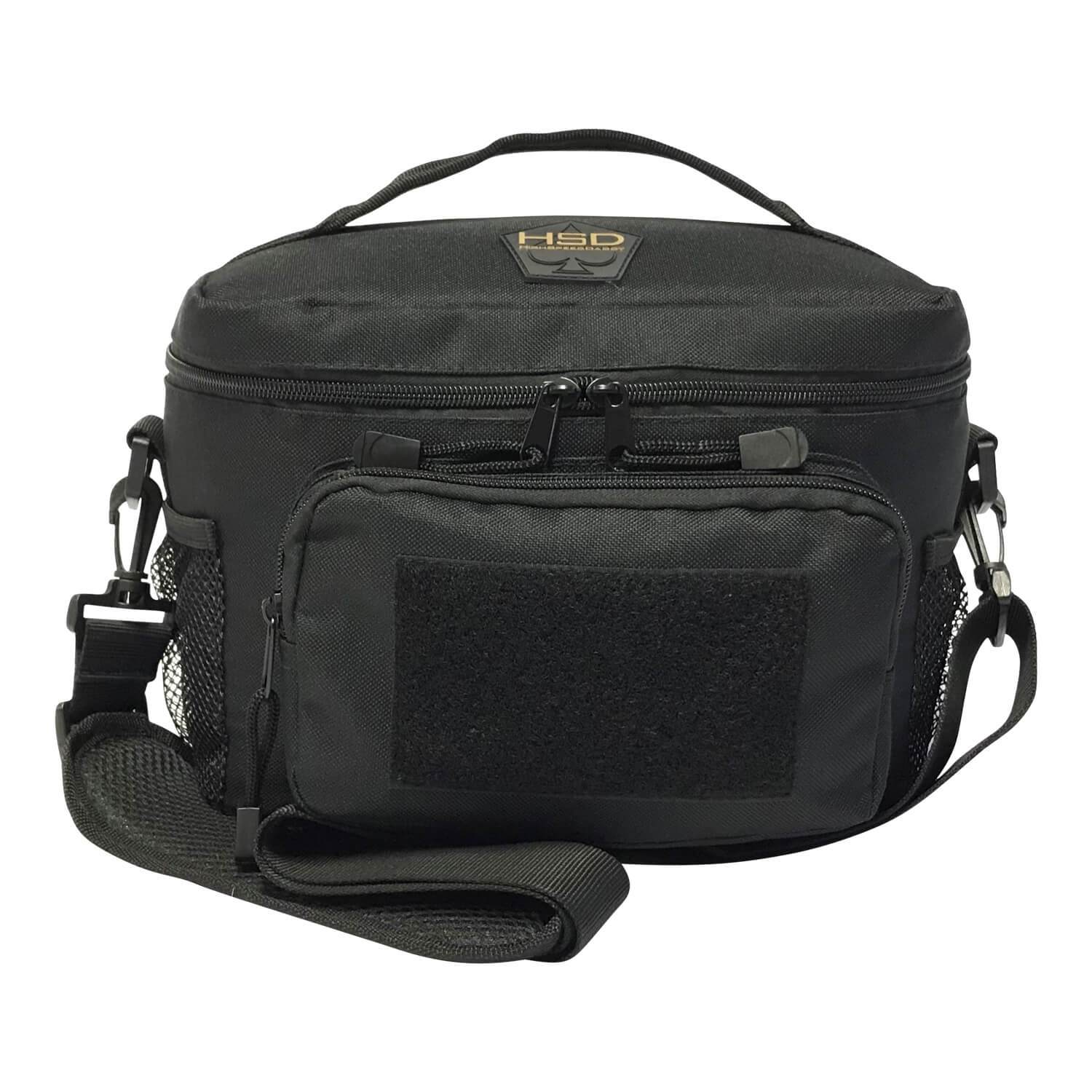
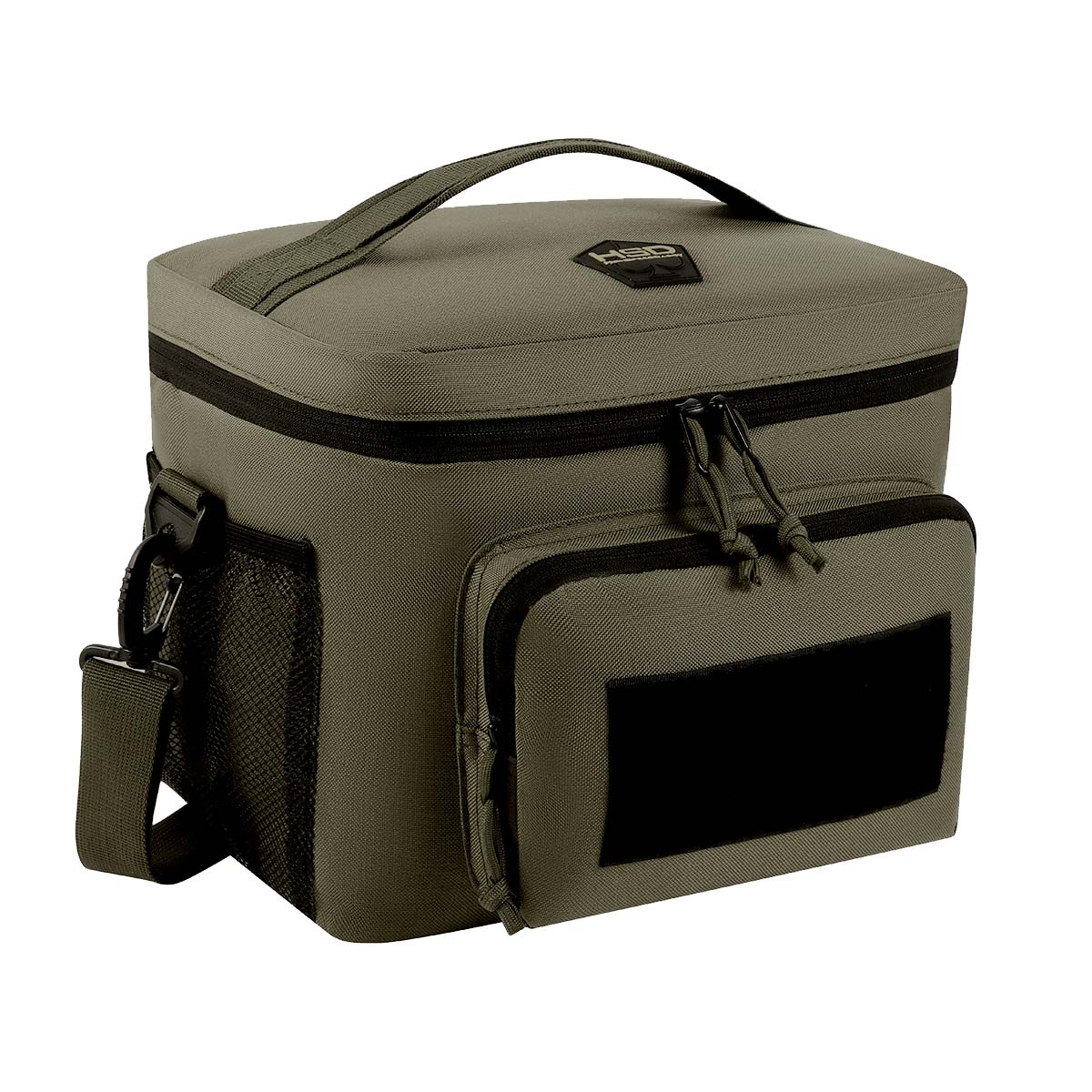
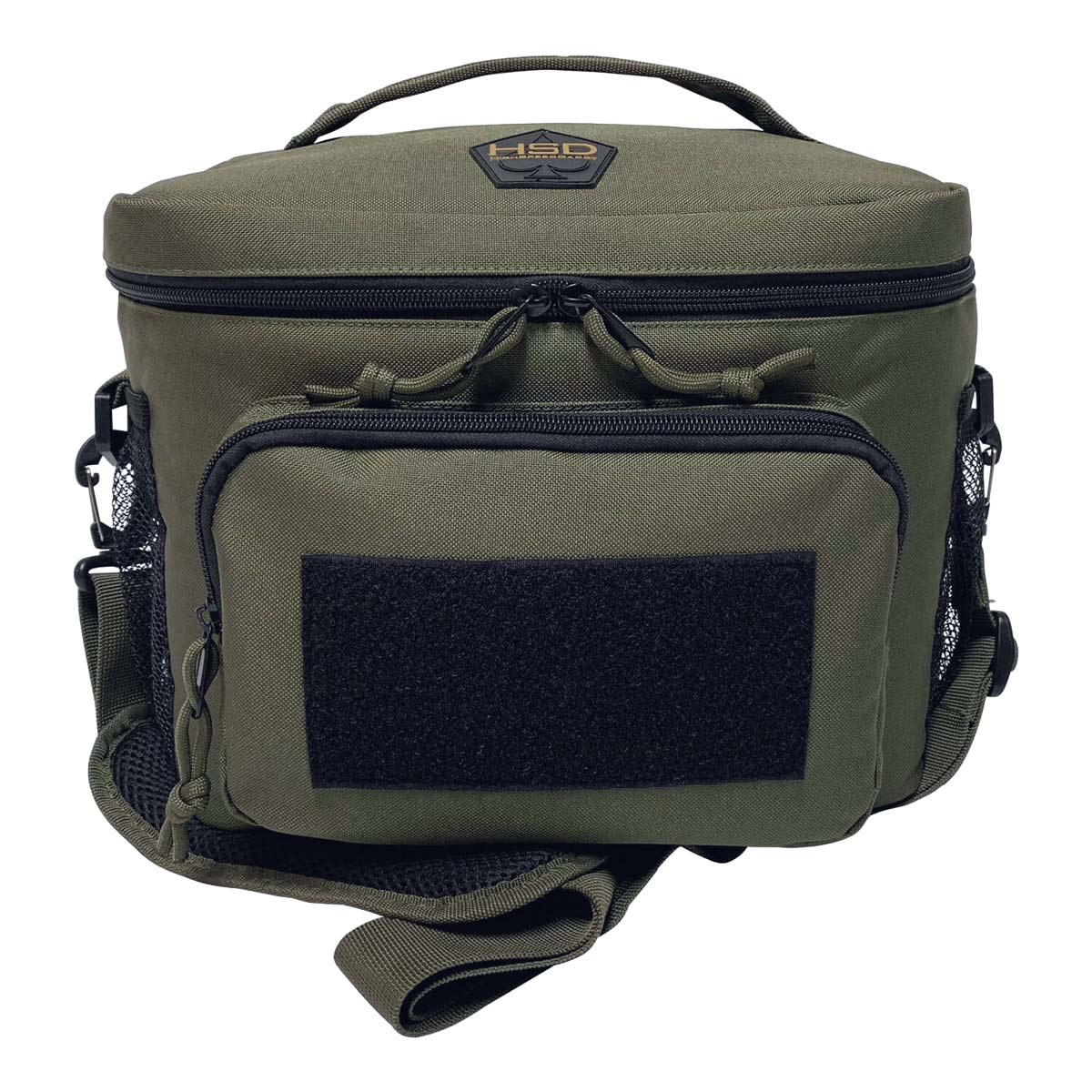
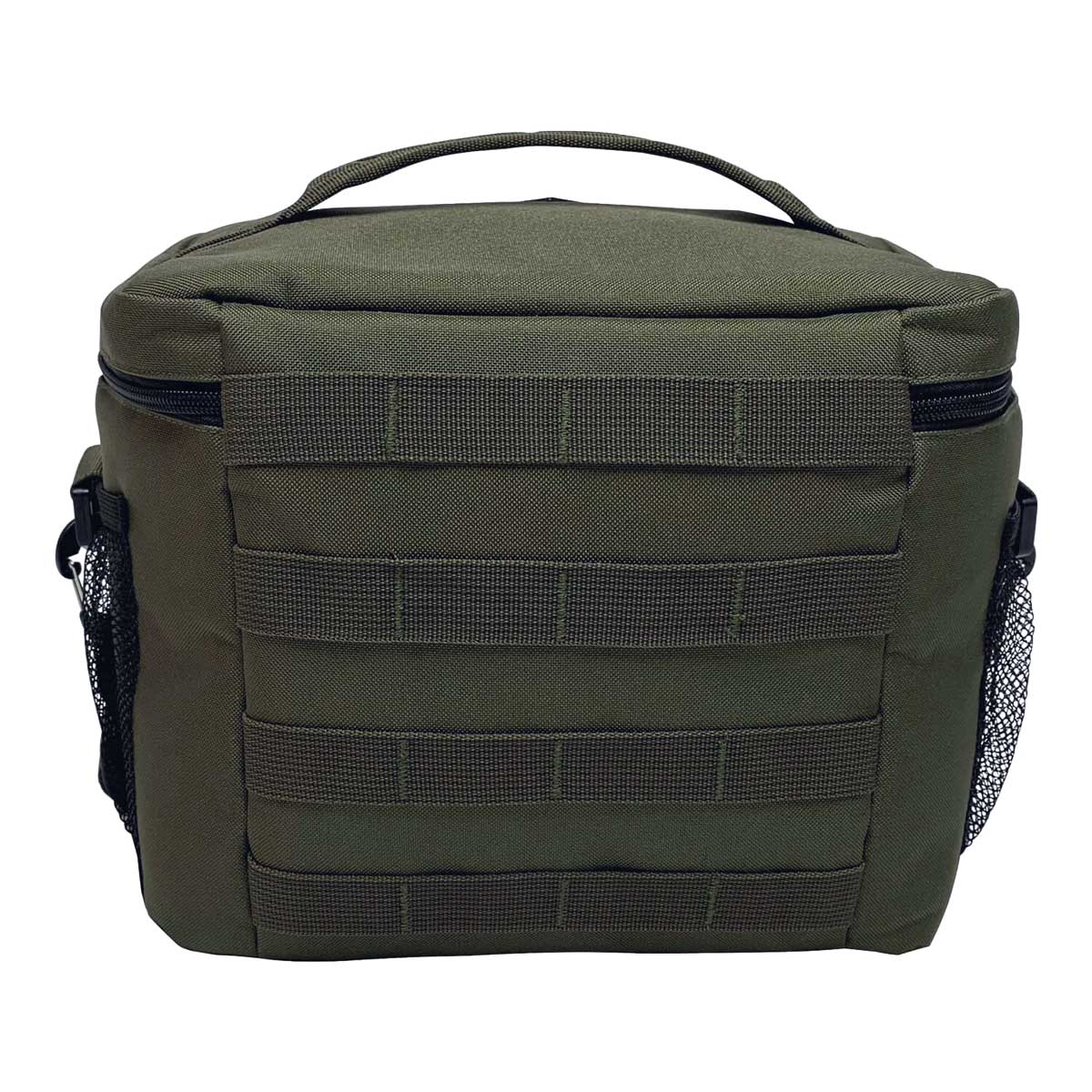
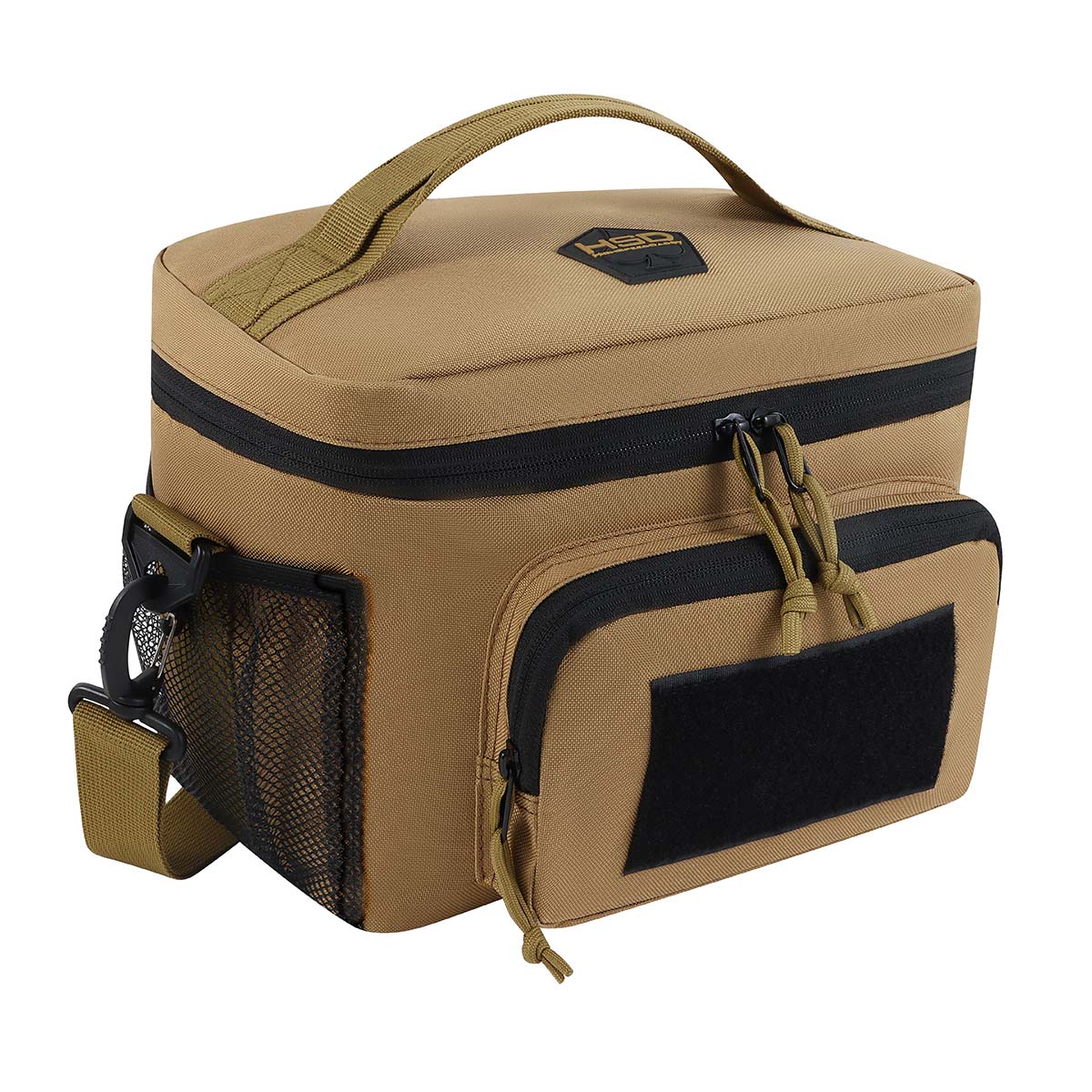
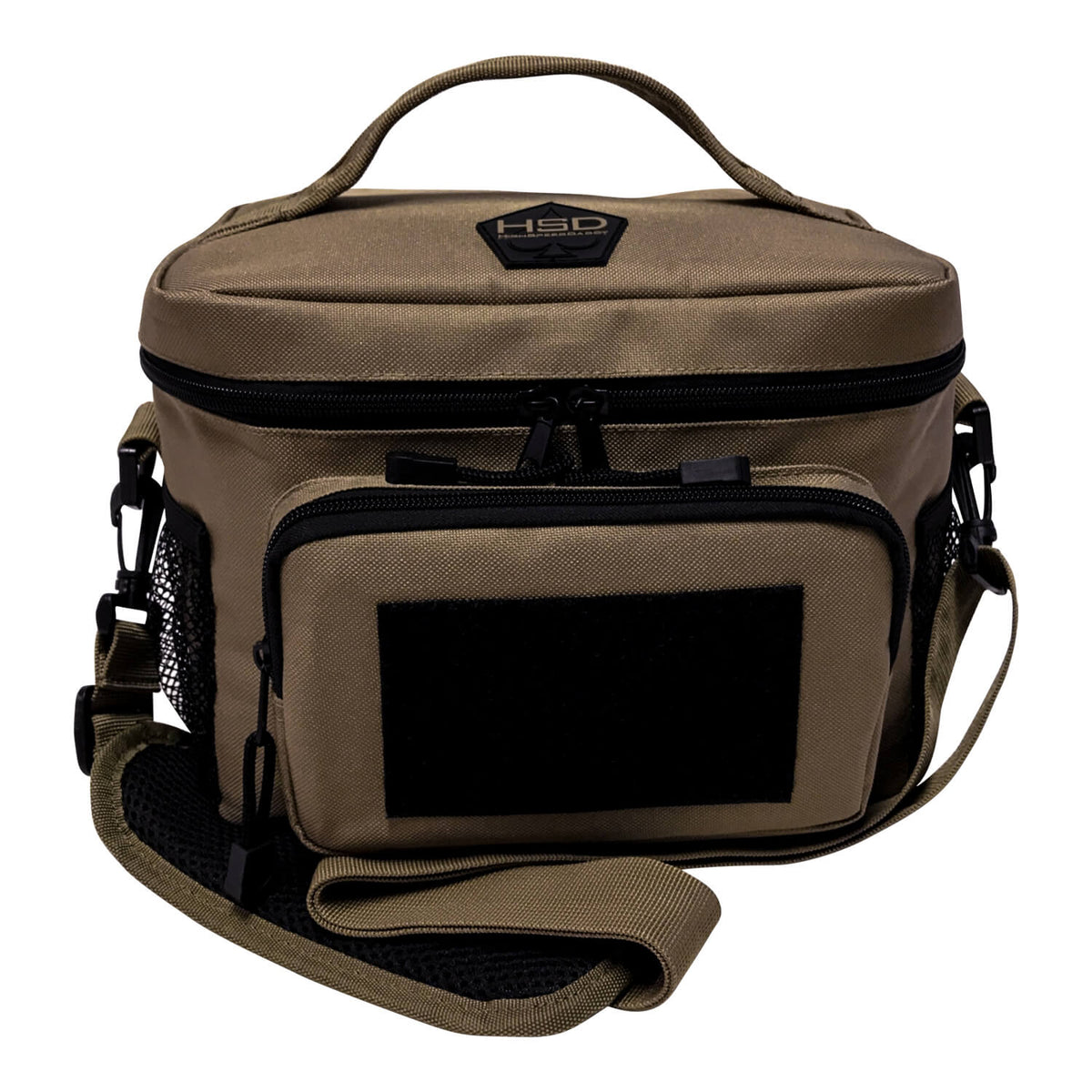
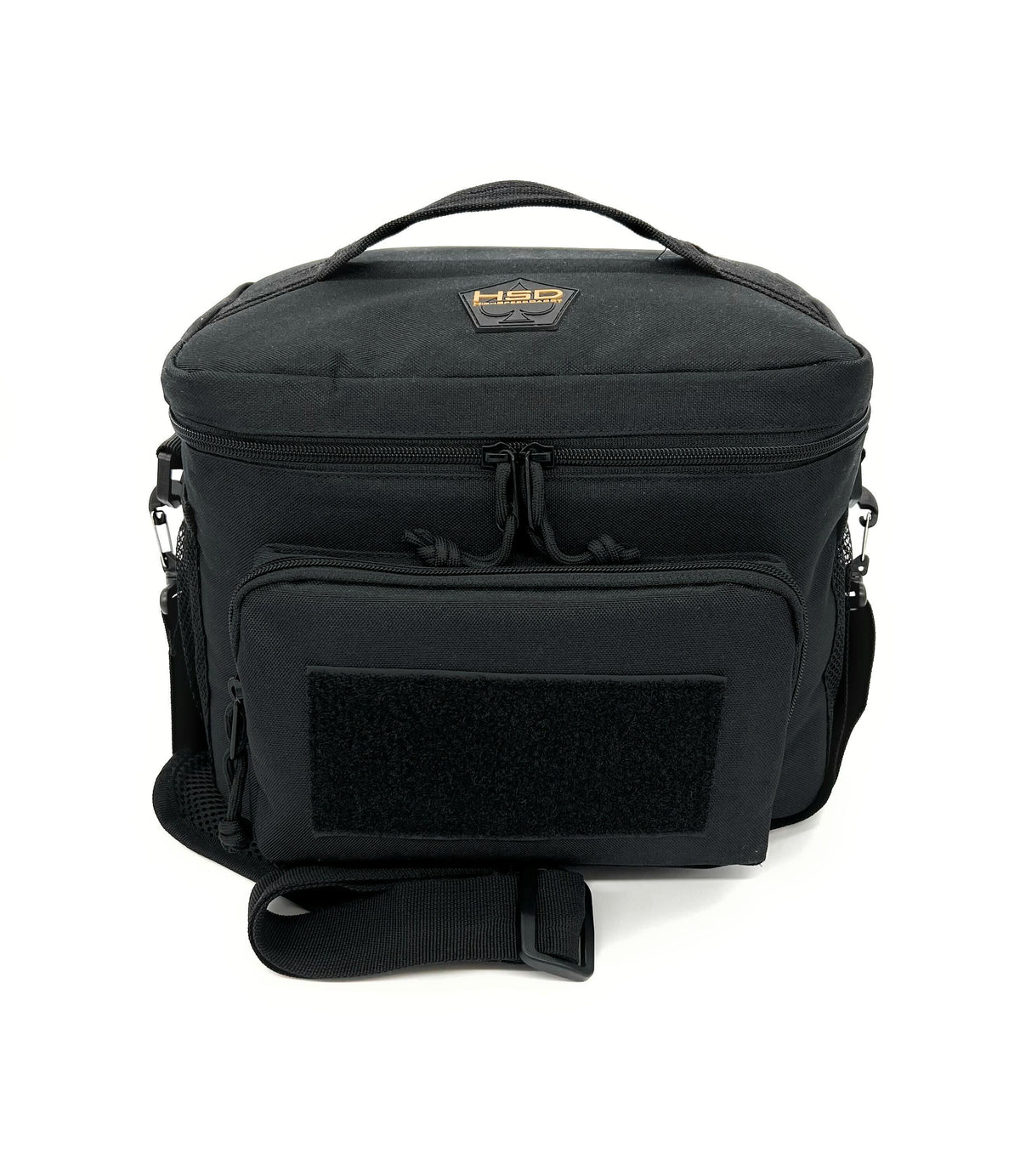
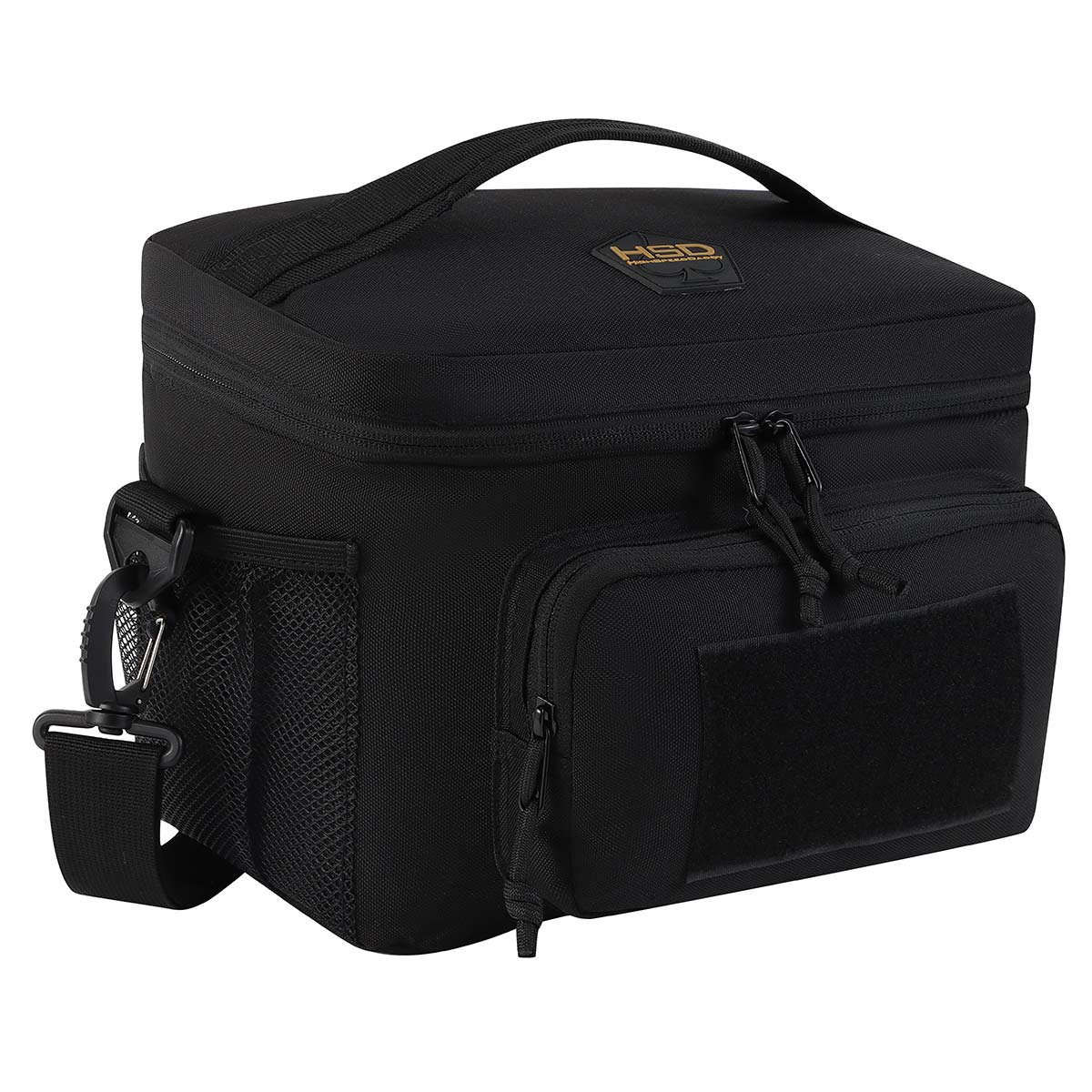
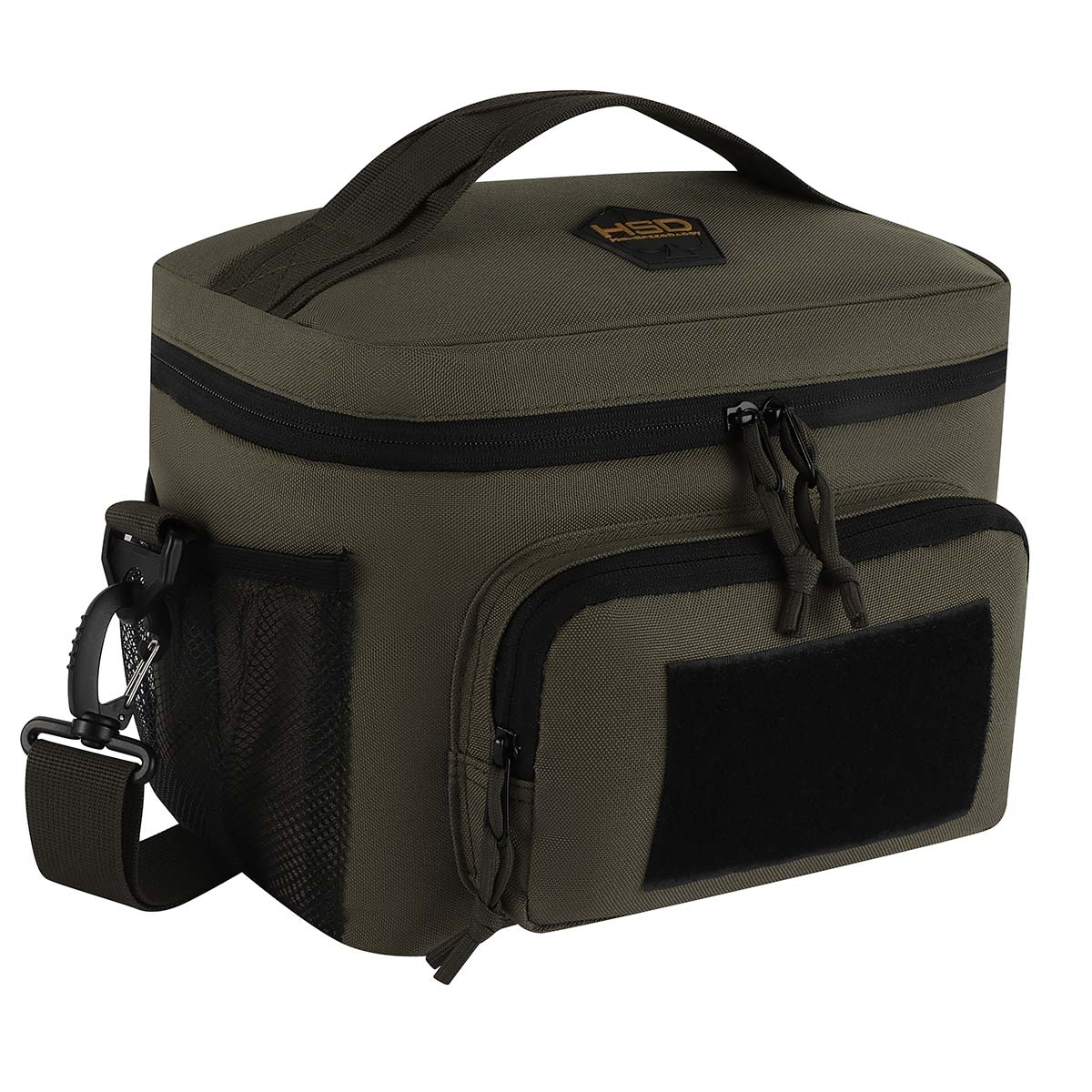
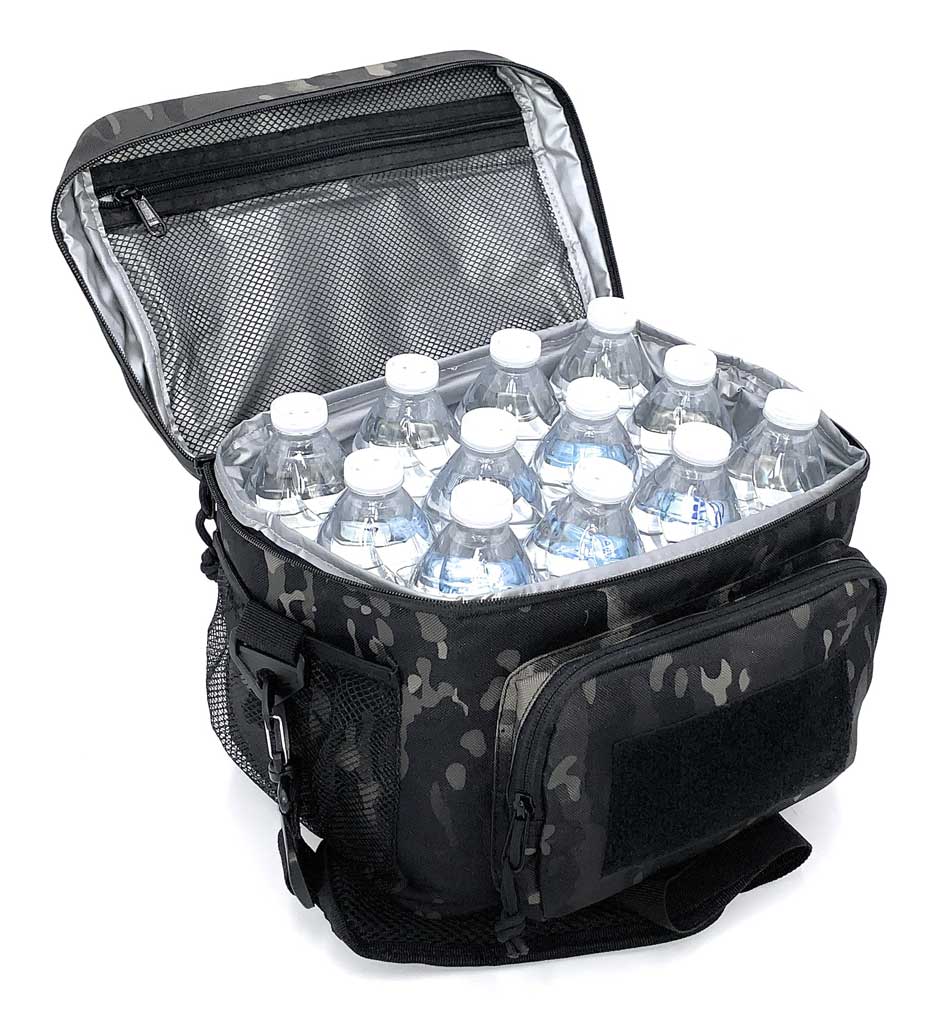
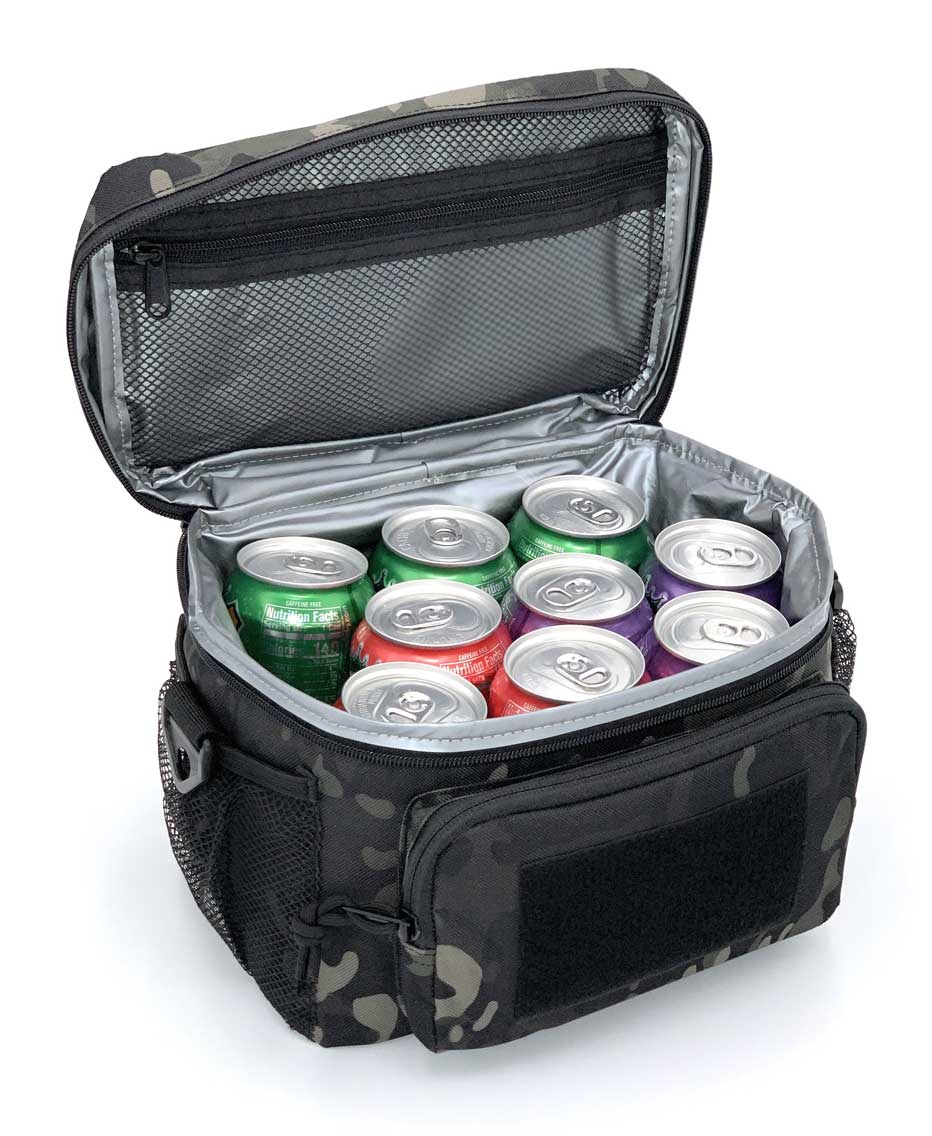
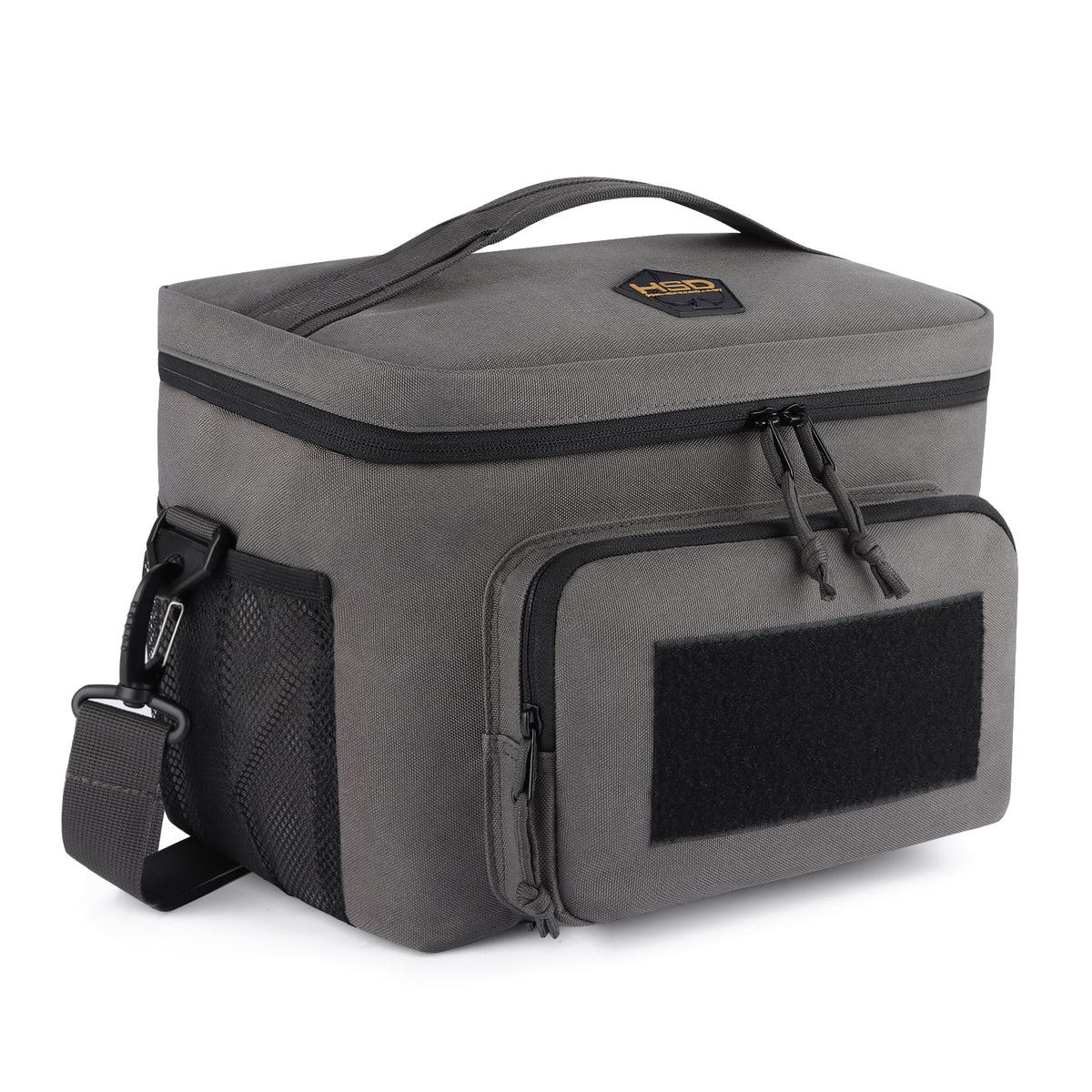
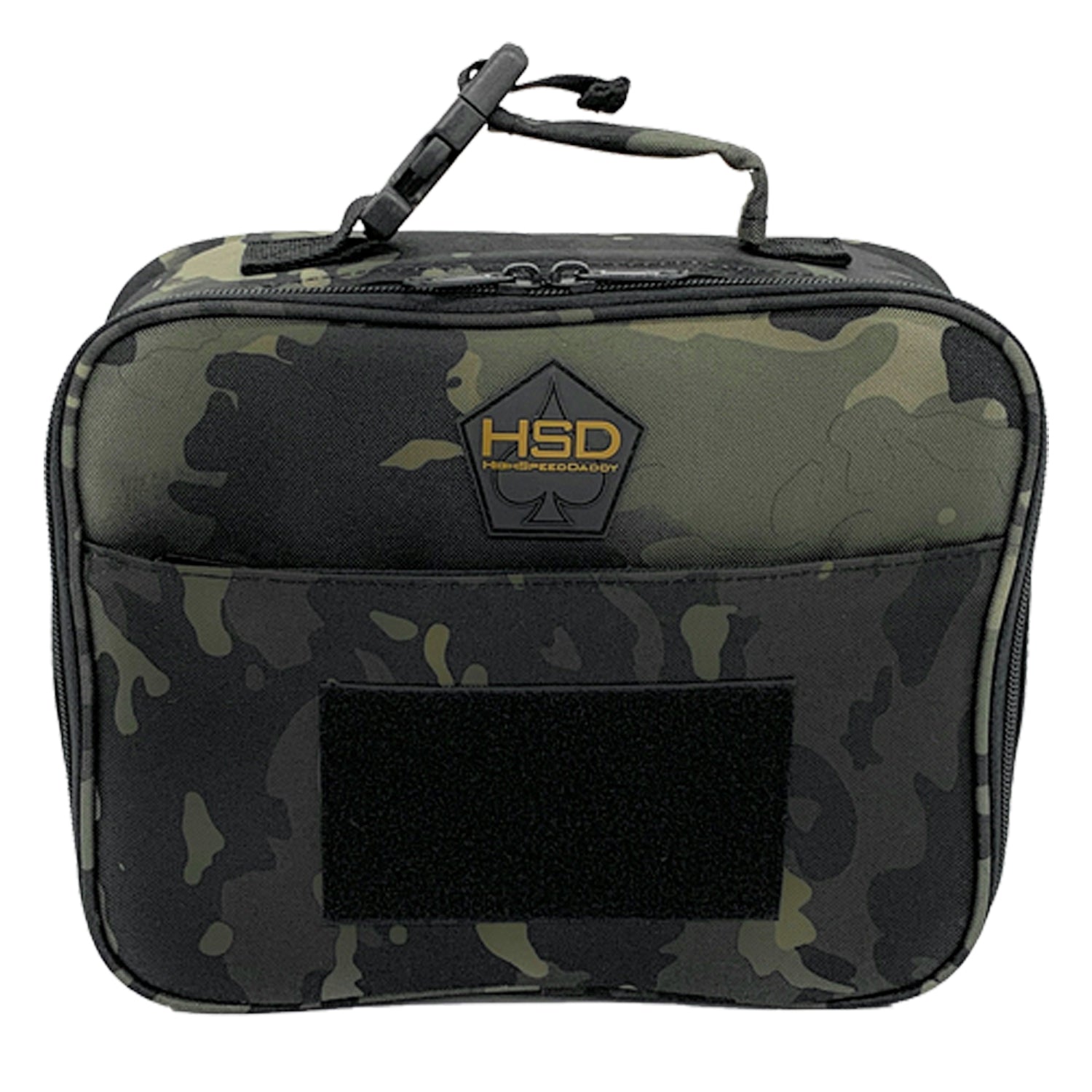
Outdoor DIY days lend themselves to mini adventures. Packing snacks into a HighSpeedDaddy lunch bag and heading outside adds a sense of purpose and helps reduce constant snack requests! Our camping spork somehow makes even a quick break feel official.
If your kids get distracted or bored easily, there are ways to keep the interest levels high:
● Rotate between creative, practical, and messy projects.
● Keep sessions short enough to match attention spans.
● Allow kids some freedom to add their own ideas.
Clearly, Benjamin Franklin was also talking about doing DIY with kids when he said, “Failing to prepare is preparing to fail.” Preparation sets the tone for the entire experience, because a well-organized setup keeps things moving and minimizes frustration.
Involving your child in the preparation process teaches them the value of planning ahead and working smarter. Here are some simple ways to prepare:
● Lay out all the tools and materials in advance.
● Clear a safe, clutter-free workspace.
● Break the project into manageable steps.For visual learners, you can map out the steps as a visual guide withPiktochart's AI education maker, making the plan much easier for kids to follow.
● Set expectations for time and outcome.
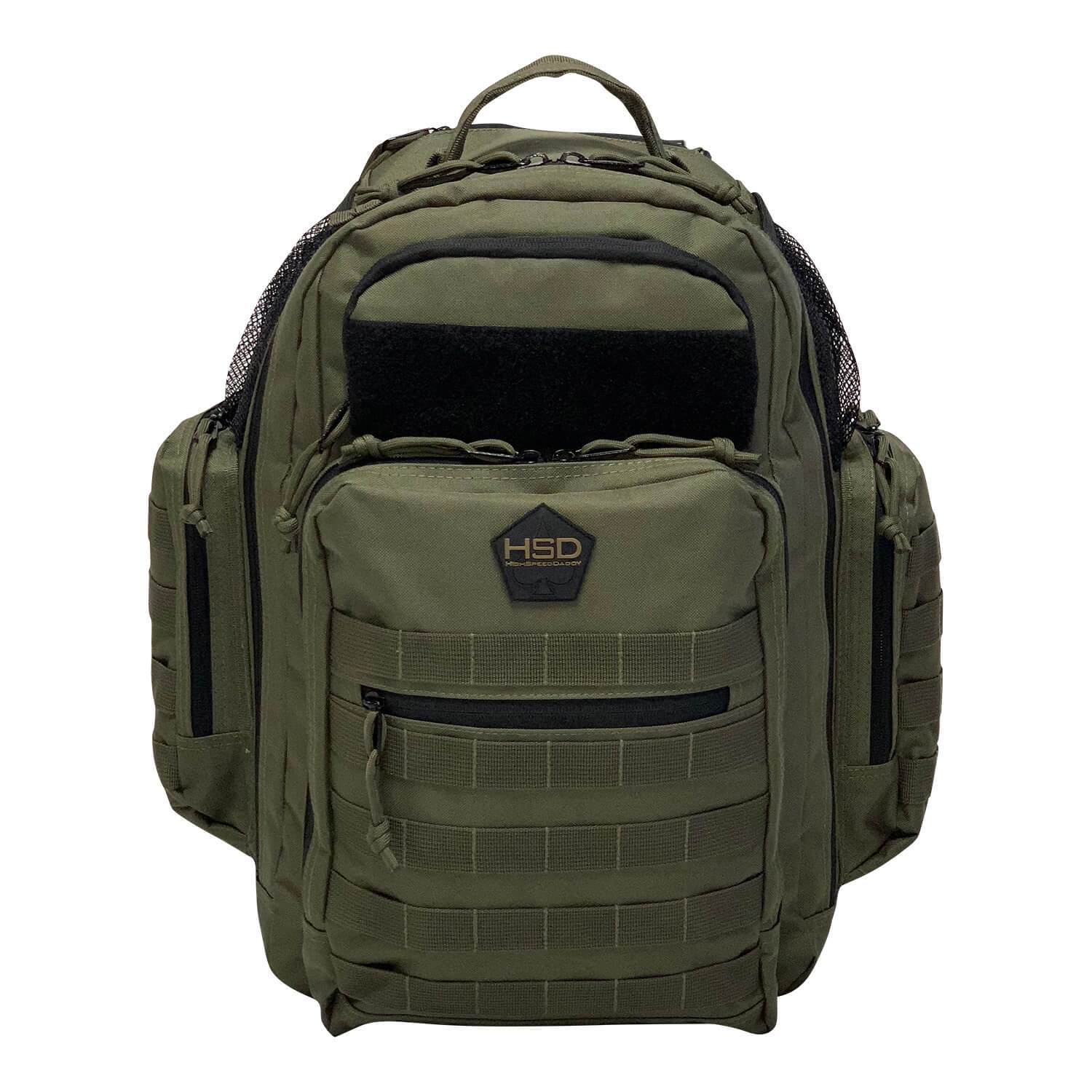
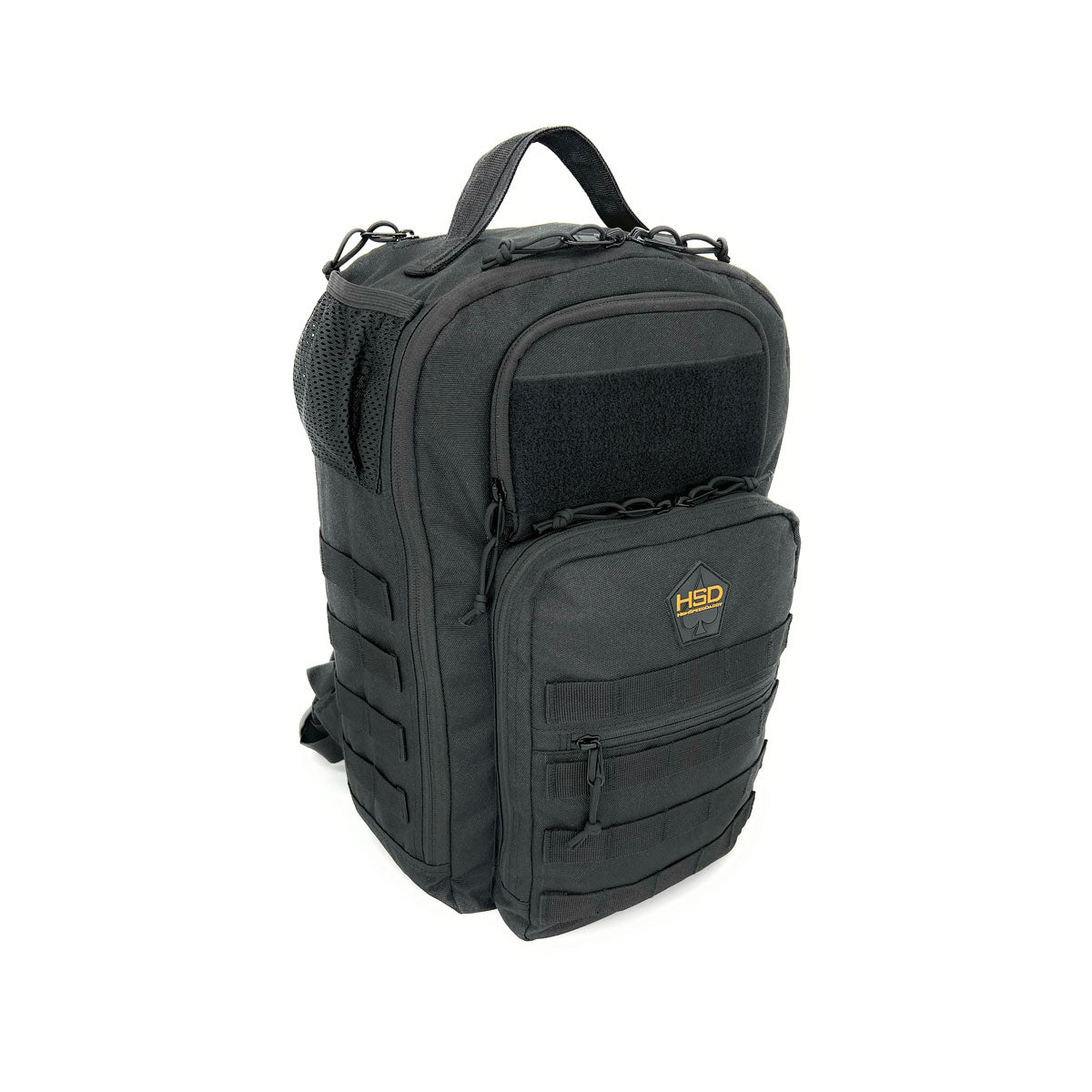
Giving kids their own gear or tools to work with makes them feel more involved. A repurposed HighSpeedDaddy diaper bag backpack can double up as a dedicated tool bag, while a smaller crossbody fanny pack can hold screws, nails, measuring tape, and other useful knick-knacks for your project.
Helpful extras to have nearby include:
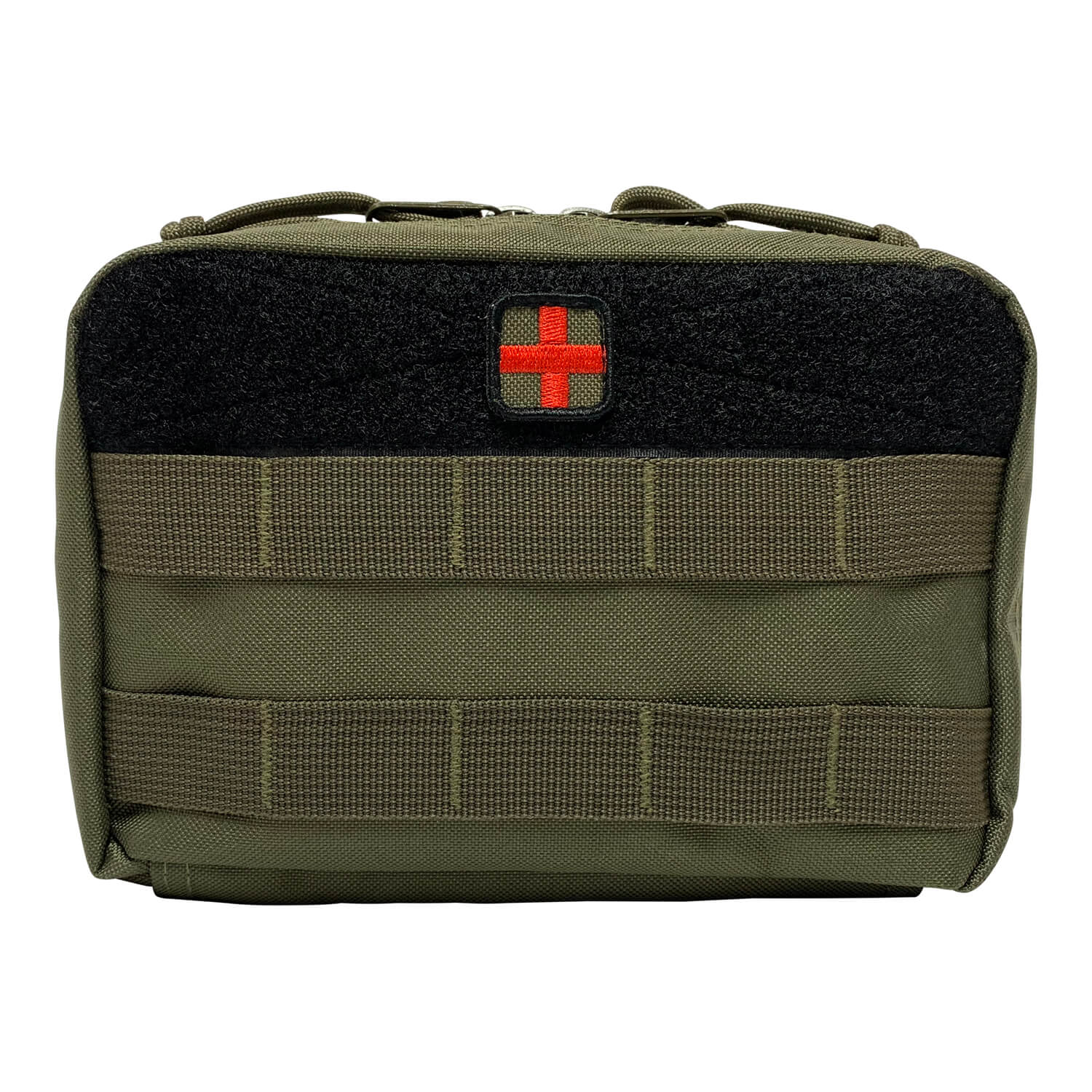
● A first aid kit for minor scrapes or splinters
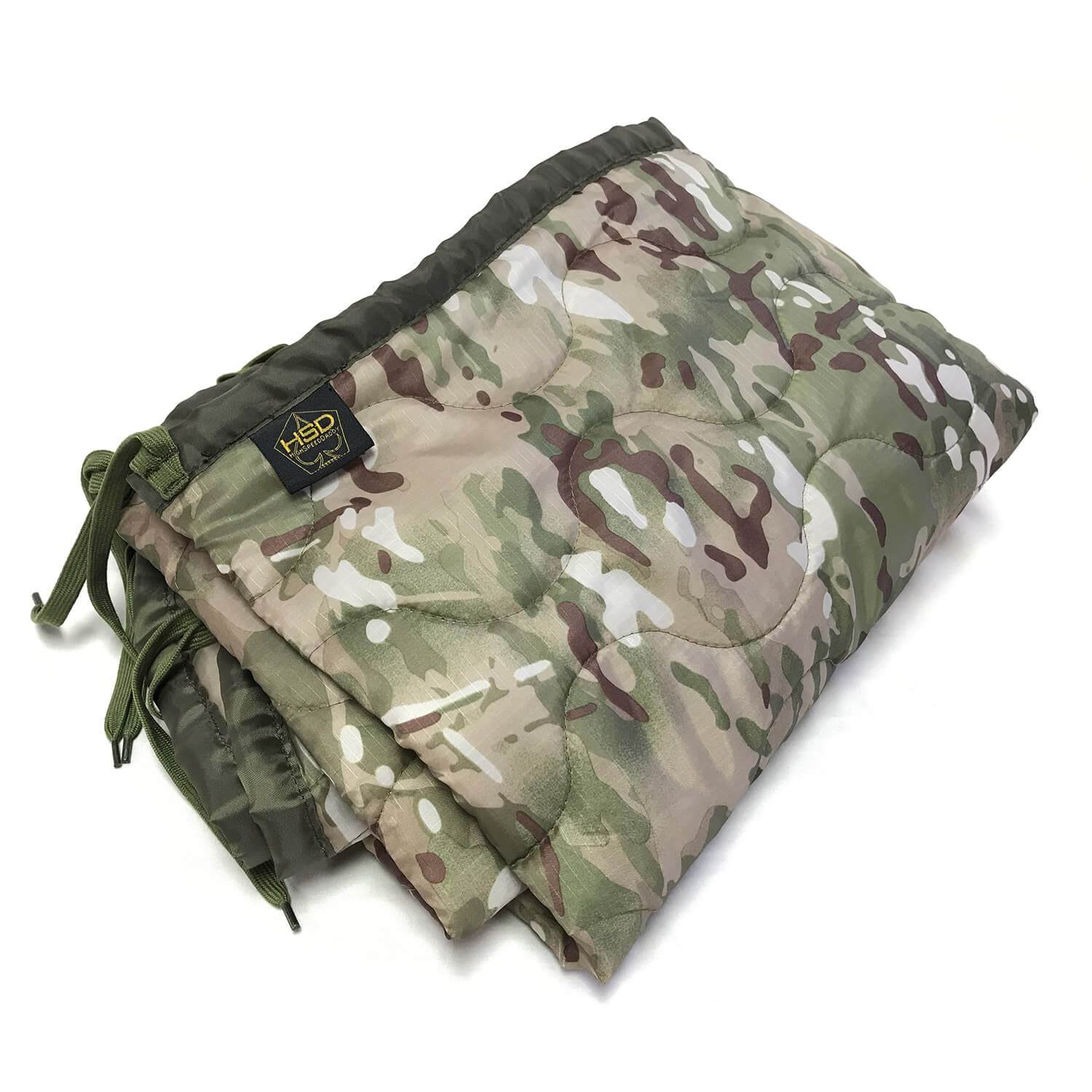
● Amulti-purpose blanket for kneeling, sitting, or quick cleanup
● Snacks and water to keep energy levels up
Some parents admit that the real secret to a smooth DIY session is simply being over-prepared, especially when it comes to snacks for hard-working kids.
Assigning the right DIY task to the right age group helps keep kids engaged while maintaining a safe environment. The goal is to involve them without overwhelming them; you want to set them up for success.
Here are some task ideas relative to age:
● Younger kids: Sorting materials, holding and passing items, painting, or varnishing.
● Under 10s: Measuring liquids or lengths, sanding, and simple assembly.
● Over 10s: Supervised tool use and more detailed work.
However, before starting, here are some safety tips to keep in mind:
● Demonstrate each step before handing it over.
● Explain safety measures and why they are important.
● Use protective gear when needed, ensuring you’re a good role model who does the same.
● Keep instructions short, clear, and simple.
Patience is essential when including your kids in DIY projects. You can safely expect the project to take longer and that there will be mistakes; they are an integral part of the process. Focusing on participation and collaboration rather than perfection helps keep the experience positive.
DIY time works best when it feels less like a task and more like shared time. Keeping things light and flexible encourages kids to stay engaged.
Some ways to make DIY projects with your kids more enjoyable include:
● Add small breaks for snacks or rest.
● Let kids personalize parts of the project and share their opinions.
● Keep the mood relaxed, even when things go off track.
● Embrace imperfections as part of the process.
These moments often come with a bit of humor in the form of excess glue, uneven lines, and the unexpected artistic license from your kids. It’s these imperfections that you’ll look back on fondly in years to come!

Being a work-from-home parent is a challenge. Find out how to juggle work and dad-
hood with our guide to everything from schedules to entertainment.

Teaching your kids how to be screen-savvy and use technology responsibly is a long-
term job. Use these tips to set them on the road to success.
Comments will be approved before showing up.
Being a work-from-home parent is a challenge. Find out how to juggle work and dad-
hood with our guide to everything from schedules to entertainment.
Teaching your kids how to be screen-savvy and use technology responsibly is a long-
term job. Use these tips to set them on the road to success.